
There’s something quietly devastating about watching a train line die. Not with dramatic failure or scandal. Not with protests or public outcry. Just… attrition. Declining ridership. Budget pressures. A slow fade from relevance until one day someone decides it’s not worth running anymore.
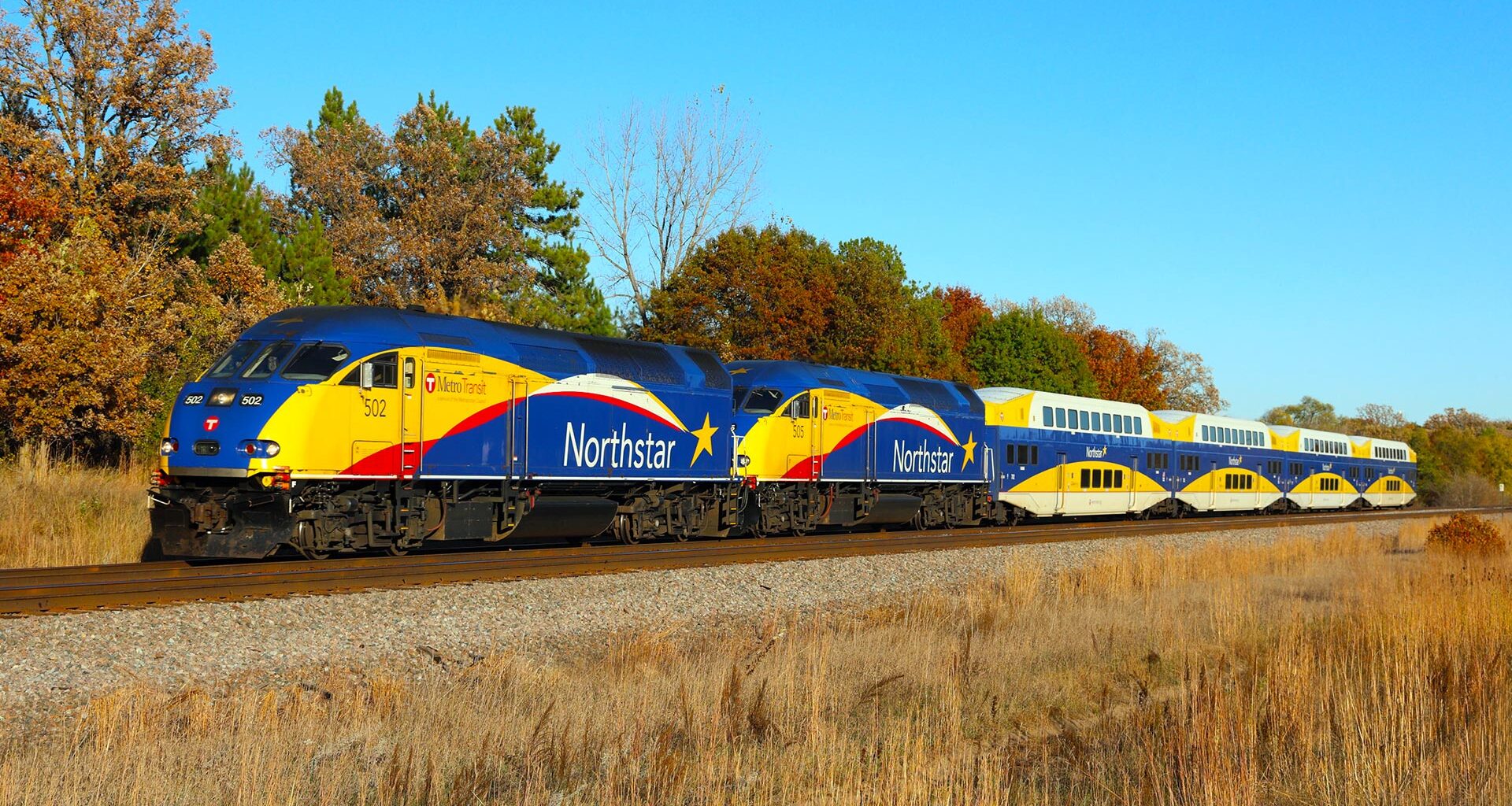
That’s what’s happening to Metro Transit’s Northstar Commuter Rail. The last trains ran this weekend, and the line will be replaced by express bus service along the same route starting tomorrow, January 5, 2026.
From Target Field in downtown Minneapolis to Big Lake in the northwest suburbs. Forty miles of track through Fridley, Coon Rapids, Anoka, Ramsey, and Elk River. Fifteen years of operation. And then: buses.
I’m disappointed. Not surprised, but disappointed.
Because here’s the thing—Northstar had potential. It served real communities. It connected suburban northwest metro residents to downtown Minneapolis jobs, Twins games, cultural events, all the things that make cities worth visiting. It worked for the people who used it.
The problem was simple and brutal: Not enough people used it.
The Numbers Tell the Story
Before 2020, Northstar averaged nearly 3,000 weekday riders. That’s not spectacular compared to major transit systems, but it’s respectable for a commuter rail line serving suburbs that are fundamentally car-oriented.
Then the pandemic hit.
Remote work became standard for precisely the kind of office workers who were Northstar’s core ridership. Commuting patterns collapsed. The trains kept running, but the riders didn’t come back.
By 2024, Northstar was averaging about 430 weekday riders. That’s an 85% decline.
The pandemic was the final blow, sure. But the trajectory was already set.
What We’re Actually Losing
Let me be clear about what’s ending: We’re losing commuter rail service, but we’re not losing transit access to the northwest metro.
The replacement bus service will still connect Big Lake, Elk River, Ramsey, Anoka, Coon Rapids, and Fridley to downtown Minneapolis. It’ll likely be more frequent than the limited train schedule. It’ll be more flexible, able to adjust routes based on demand. It’ll cost less to operate.
Buses aren’t inherently worse than trains. They’re different tools serving different purposes.
But there’s something about trains that buses can’t replicate. The smooth ride on rails. The sense of permanence—tracks represent commitment in a way bus routes never do. The capacity to move large numbers of people efficiently during peak times. The experience of riding a real train, not just a bus on a highway.
And yes, the symbolism matters. Trains signal investment. They say: “This community deserves rail transit. This corridor has a future.” Buses, fairly or not, feel like the fallback option. The cheaper alternative. The admission that you couldn’t make the real thing work.
Watching Northstar end feels like watching the Twin Cities give up on a piece of transit infrastructure that could have been so much more.

Image: Jerry Huddleston https://flic.kr/p/7b3QYs
The Broader Context
Northstar’s closure doesn’t happen in isolation. It’s part of a pattern across American commuter rail systems dealing with the post-pandemic reality.
Office workers aren’t commuting five days a week anymore. Hybrid work is standard. The traditional 9-to-5, five-days-a-week pattern that justified commuter rail investments is gone. And it’s not coming back.
Transit agencies everywhere are scrambling to adapt. Some are succeeding by pivoting to all-day service, focusing on non-commute trips, serving diverse travel patterns. Others are struggling to justify infrastructure built for a commuting paradigm that no longer exists.
Northstar fell into the second category. Purpose-built for peak-hour suburban-to-downtown commuting, it couldn’t adapt when that market collapsed.
The bus replacement might actually serve riders better in this new reality. More frequent service throughout the day. Better integration with other transit routes. Lower operating costs that could be redirected to other services. Flexibility to adjust as patterns continue to evolve.
But it still feels like a loss. Because once you shut down a train line, getting it back is nearly impossible. The infrastructure might remain, but the institutional knowledge, the operating procedures, the momentum—all of that disappears. Buses can always become trains again in theory. In practice, it never happens.
What January Brings
The last Northstar trains made their final run from Minneapolis to Big Lake. Transit advocates will lament it. Regular riders will share their memories. The conductor announced as the train pulled into Big Lake, “Now arriving the final, final stop of Big Lake. Thanks for traveling Northstar.”
And then the buses will start running. Route 888. Express service along Highway 10. Same communities served. Different vehicles.
Life will go on. Northwest metro residents will still have transit access to downtown Minneapolis. The world won’t end because one commuter rail line shut down.
But something will be lost. A piece of the Twin Cities’ transit infrastructure. A connection that was more than just transportation. A symbol of what the region could be if it fully committed to transit.
I wish Metro Transit had fought harder for Northstar. I wish they’d invested in making it more than a limited commuter service. I realize that it was also beyond the powers of Metro Transit, as it was really Minnesota State House Representative Jon Koznick, serving as the chair of the House Transportation Finance and Policy Committee and historical critic of Northstar, who advanced a bill in the state house to terminate operations on the line, claiming that the line did not reduce congestion. I wish the pandemic hadn’t accelerated a decline that was already underway.
But I also understand the reality: 430 daily riders can’t justify the operating costs of commuter rail when buses can serve the same route more flexibly and more affordably.
It’s disappointing. It’s frustrating. It feels like a missed opportunity.
And in January, the trains stopped running.
For Those Who Rode It
If you were one of Northstar’s regular riders—if you took those trains to work, to Twins games, to downtown adventures—I hope you found value in it while it lasted.
And I hope the replacement bus service actually serves you well. More frequent. More flexible. Still connecting your community to downtown Minneapolis without the stress of driving and parking.
Transit doesn’t have to be trains to be useful. It just has to work.
I just wish we’d found a way to make the trains work too.
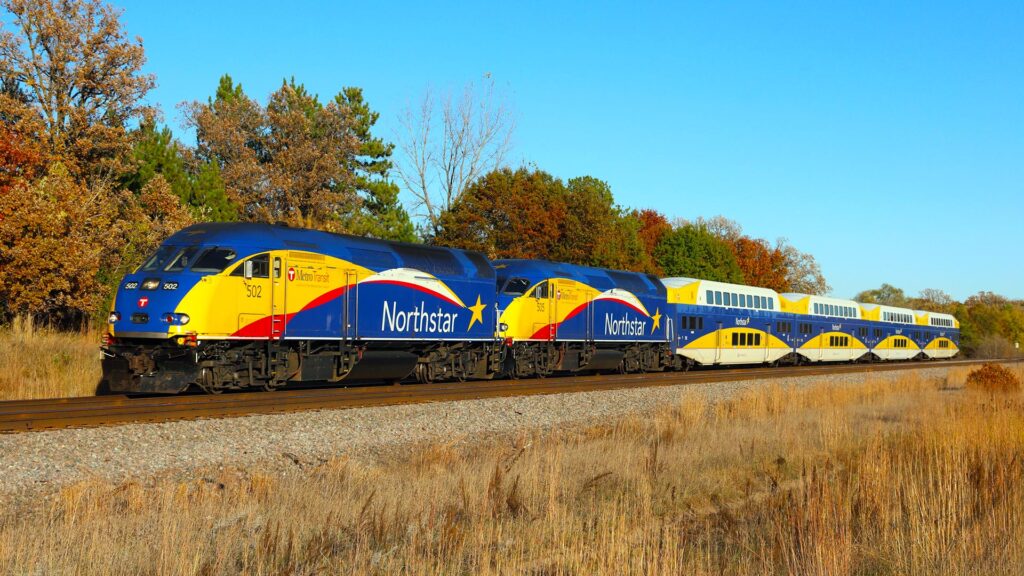
Featured Image: Jerry Huddleston Creative Commons Use