
Stand in Grand Central Terminal on any given morning and you’ll see it. Thousands of people flowing through the main concourse like they have for over 100 years. Commuters who could navigate that maze blindfolded. Tourists taking pictures and looking at maps. Everyone moving with purpose.
Get on the wrong train and realize it three stops later? Get off, cross to the other platform, take the train back. We’ve all done it, and will do it again. Getting it wrong isn’t the end of the world. It’s just part of learning the system.
Why Transit Exists
Public transit serves one fundamental purpose: moving more people to more places more efficiently than cars ever could.
Take New York City. The subway moves 3.4 million people on an average weekday. That’s 472 stations across 28 routes covering 665 miles of track. The system handles 2.04 billion trips per year for a city of 8 million people. That works out to about 255 trips per person per year, or roughly 5 trips per week.
Imagine moving 3.4 million people through Manhattan in cars every day. The traffic would be physically impossible. The parking would require demolishing half the city. Transit isn’t a backup plan. It’s the only plan that works at that scale.
The Learning Curve Is Short
Yes, transit maps look intimidating at first. The apps can be confusing. The signage might not make sense. You’ll probably take the wrong train at least once.
All of that is fine. Normal. Part of the process.
Here’s what actually happens: You use the system three or four times. You figure out how the lines connect. You learn which stations matter for your regular routes. Within a week, you’ve got it down.
The system has its quirks. Every city’s transit has little idiosyncrasies that only make sense once you’ve used it. But the basics are universal: find your line, check the direction, get on the train, count the stops.
It Works Everywhere
I live in Southern California. We’re famous for traffic, not transit. But did you know that until the 1930s, Los Angeles had one of the world’s most extensive transit systems? The Pacific Electric Red Car network covered the entire region.
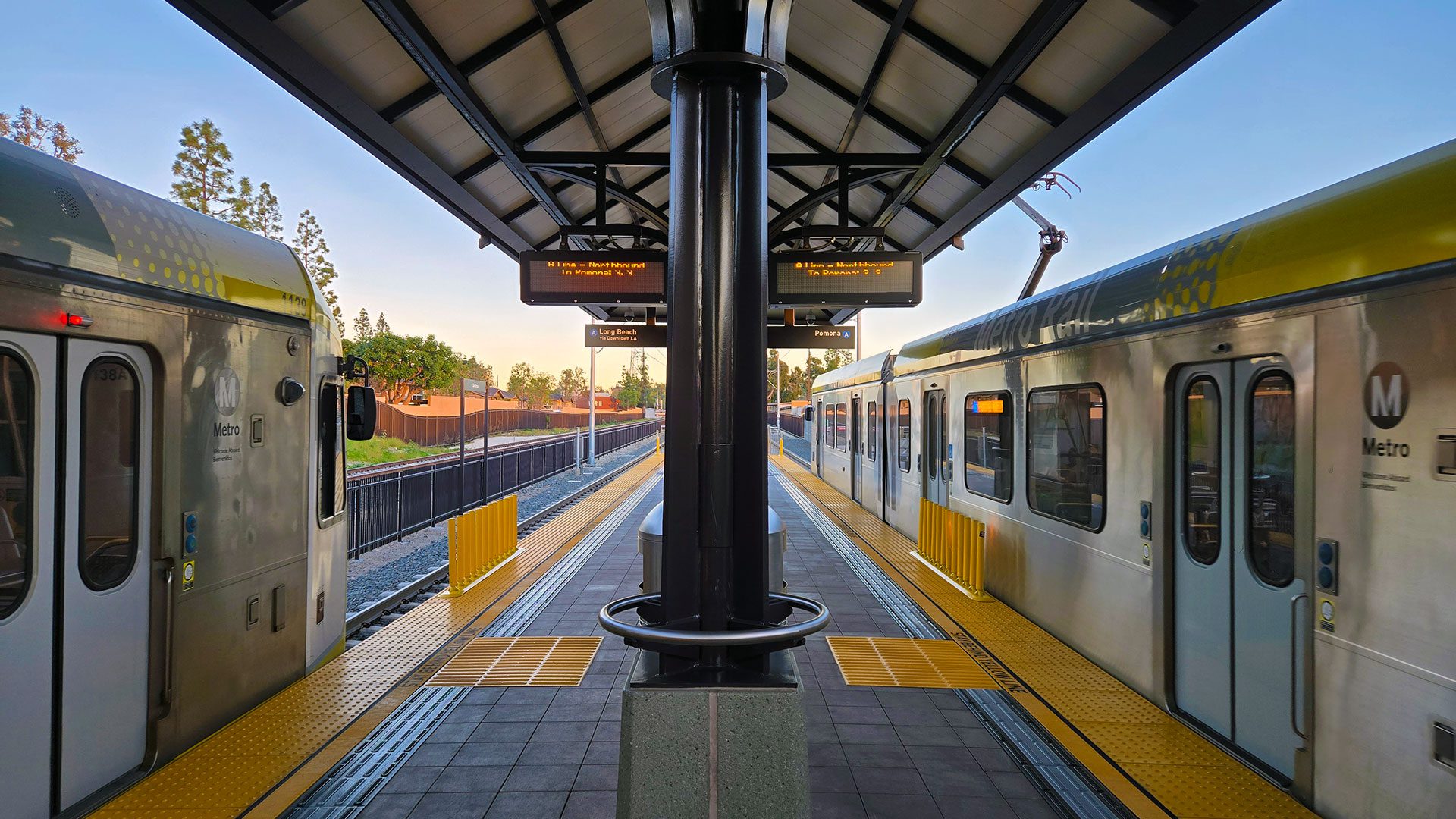
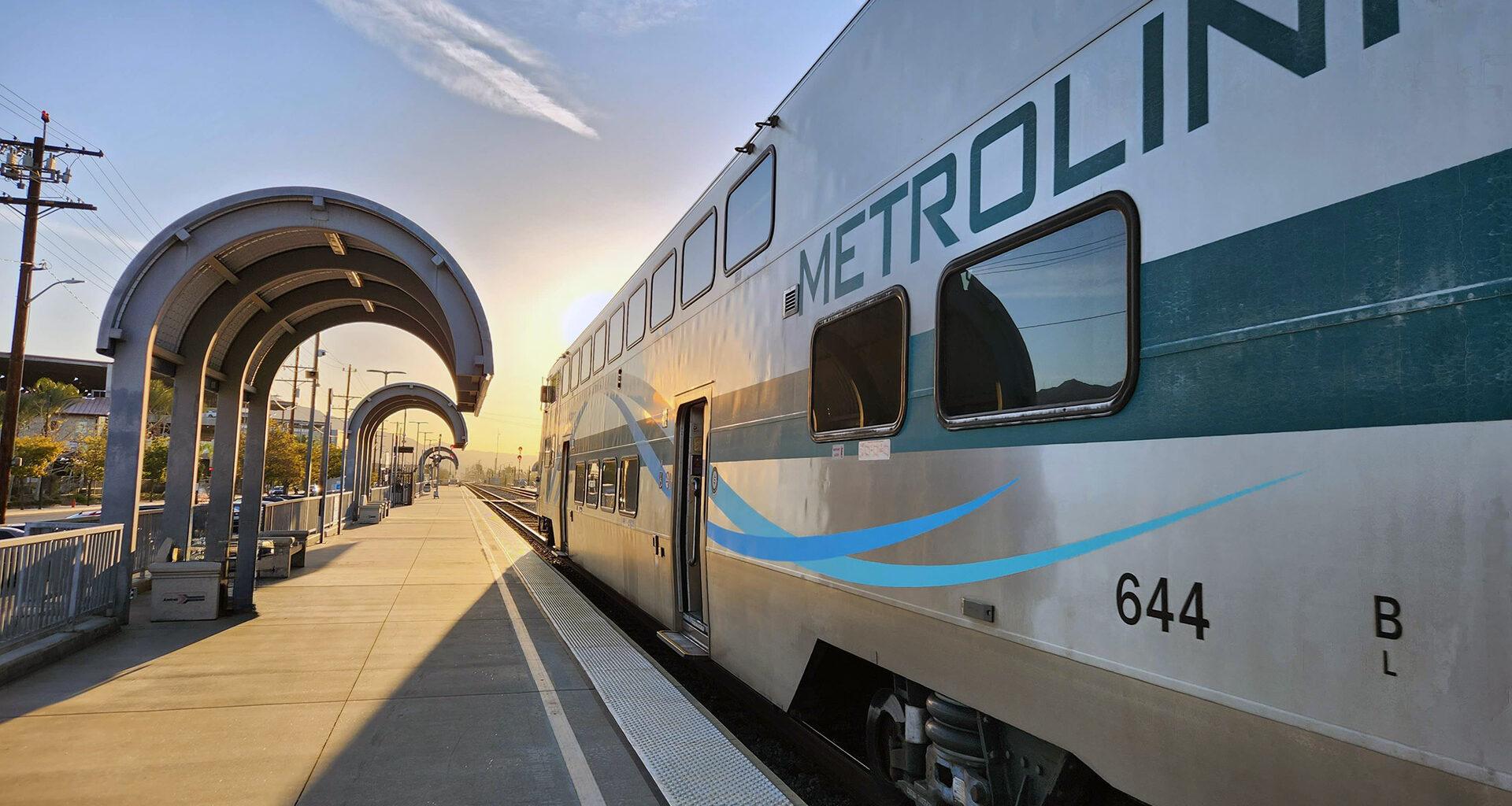
We’re building it back. Slowly. The Metro has expanded dramatically over the last 30 years. Last year the A Line became the longest light rail line. This year, the D Line Subway opens a new extension. Metrolink connects the region.
Is it as comprehensive as New York or Chicago? No. But it exists. It works. And the more people use it, the better it gets.
Even smaller cities have transit. Quincy, Illinois, has four or five bus routes. Are the maps easy to read? Not particularly. But the system exists because people need it.
Try It Once
Next time you fly out of your local airport, take transit instead of driving.
Chicago? Take the “L” to O’Hare or Midway. Skipping I-90 alone is worth it.
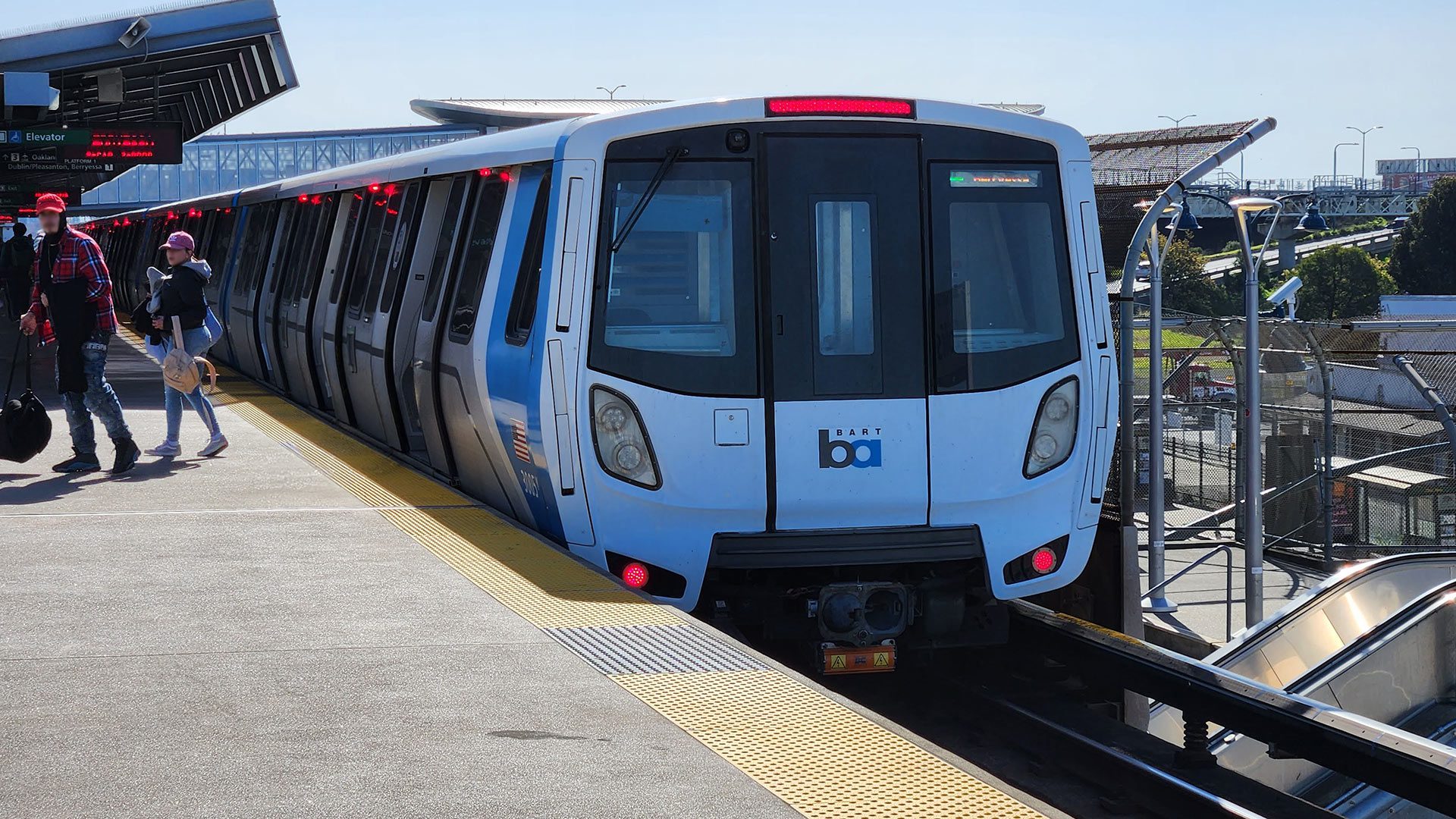
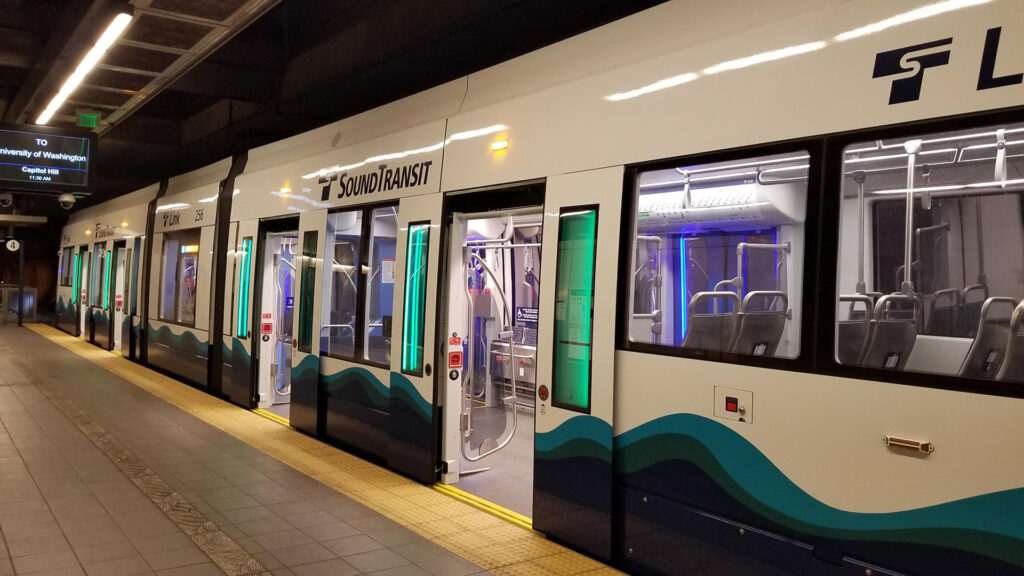
Seattle? The Link Light Rail 1 Line goes straight to SeaTac from downtown. Forty minutes, $3.00, no parking fees, no I-5 traffic.
Los Angeles? Take Metrolink to Union Station, catch the LAX Flyaway.
Pick one trip. Low stakes. See how it goes.
You might discover what we all have. Getting it wrong is no big deal. The learning curve is shorter than you expected. Millions of people do this every day because it works.
Transit isn’t meant to be scary. It’s meant to be useful. The only way to find out if it works for you is to try it.